Knowing what to expect during implant recovery can make the process less stressful and speed healing. This post covers day-one care, weekly milestones, ways to boost healing, warning signs, questions to ask before surgery, and why experience and technology matter for smoother implant recovery in Louisville, KY.
Day One After Surgery: What to Expect During Implant Recovery
Right after surgery it’s normal to have some bleeding, swelling, bruising, mild pain, and numbness from local or IV anesthesia. These usually peak the first 24–48 hours. Remember: mild bleeding and a bit of oozing are expected; bright red, heavy bleeding is not.
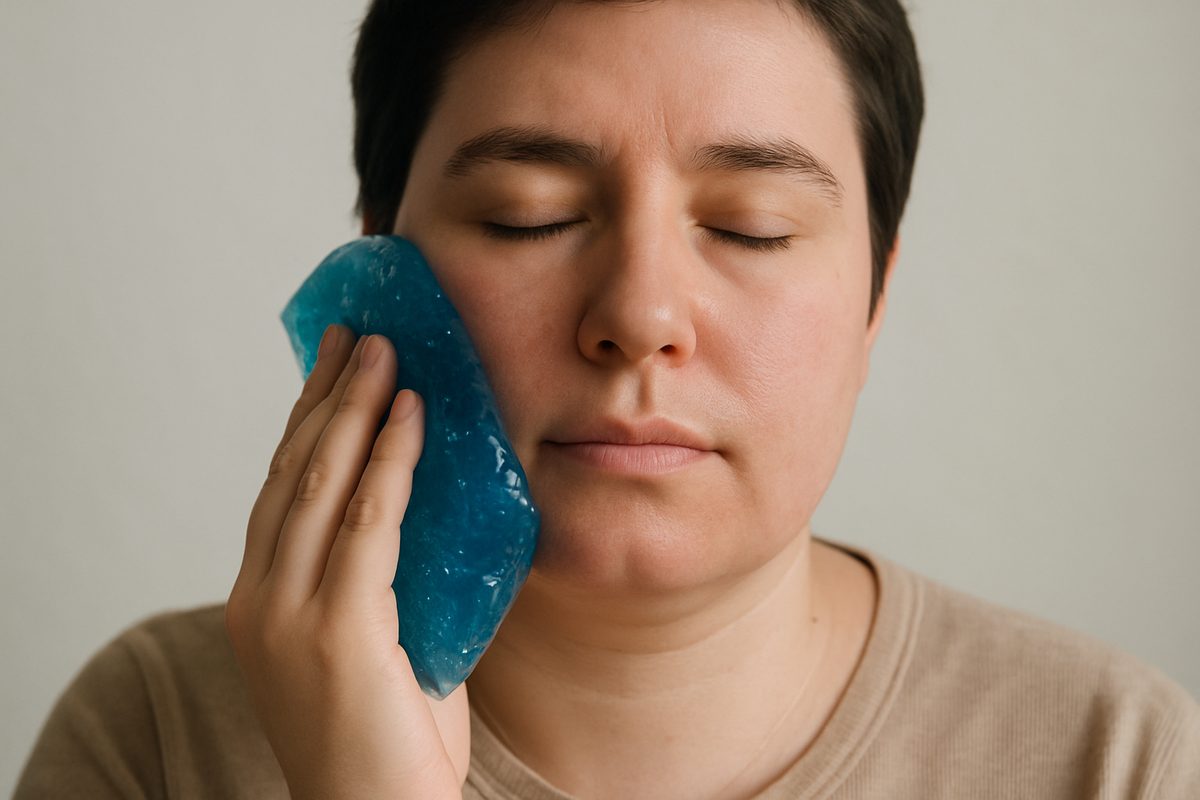
- First-day rules: rest, keep your head elevated, use ice packs for 15–20 minutes at a time for the first 24 hours, eat only soft foods, and avoid smoking or drinking alcohol.
- Don’t rinse vigorously or use a straw on day one—these actions can dislodge the blood clot and slow healing.
- Take prescribed pain meds and antibiotics exactly as directed to control discomfort and reduce infection risk.
First Week: Key Milestones in Implant Recovery
Swelling and soreness usually peak between days 2–4 and then begin to improve. Sutures may be dissolvable or removed at a short-interval follow-up visit (often within 7–10 days). Light activity is okay, but avoid heavy lifting or vigorous exercise that raises blood pressure and bleeding risk.
Maintain oral hygiene gently: brush teeth away from the surgical site, use any prescribed antimicrobial rinse as directed, and avoid spitting hard. Attend your scheduled follow-up so the surgeon can check healing and remove sutures if needed.
Weeks 2–6: Bone and Gum Healing
During weeks 2–6 tissues settle and early osseointegration (bone attaching to the implant) begins. You may notice reduced tenderness, firmer tissue around the implant, and improved chewing comfort if a temporary restoration is in place. Minor sensitivity can persist but should steadily decline.
Avoid hard, crunchy, or sticky foods and any chewing that places direct force on the implant until your surgeon clears you. Continue to protect the area from trauma and keep all follow-up appointments so the team can monitor integration.
When Implant Recovery Is Complete: What “Fully Healed” Looks Like
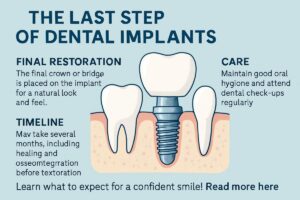
Full integration of the implant with bone normally takes 3–6 months depending on the site and health factors. At that point your surgeon will place the final restoration. Signs of successful recovery include stable implant mobility (no movement), healthy pink gum tissue, no persistent pain, and normal chewing function.
Contact your surgeon if you notice increasing pain, a loose implant or restoration, persistent drainage, or gum recession around the implant—these can be signs that need attention.
How to Speed Up Healing After Implants (Evidence-Based Tips)
Follow post-op instructions exactly, take medications as prescribed, rest, and avoid strenuous exercise for the first few days. Smoking and excess alcohol slow bone healing and raise complication risks—stop both before and after surgery if possible.
Nutrition and Hydration
Good nutrition and staying well hydrated help tissue repair and bone healing.
- Eat soft, protein-rich foods: blended soups, Greek yogurt, smoothies with protein powder, mashed potatoes, and soft fish.
- Avoid hard, crunchy, sticky, or very hot foods that can irritate the site or dislodge healing tissues.
- Drink plenty of water; avoid alcohol and limit caffeine while healing.
Oral Care Routine During Implant Recovery
Start gentle saltwater rinses 24 hours after surgery (1/2 teaspoon salt in 8 oz warm water) and avoid spitting forcefully. Brush remaining teeth carefully while avoiding direct trauma to the surgical site. Your surgeon will tell you when to resume flossing and electric toothbrushes—usually after the initial healing period or once sutures are removed.
Common Problems During Implant Recovery & When to Call Your Surgeon
Watch for red flags: uncontrolled or heavy bleeding, increasing severe pain despite medication, fever over 100.4°F, swelling that worsens after day 4, persistent numbness, or a loose implant/restoration. If any of these occur, contact your surgeon immediately. Typical emergency responses include evaluation, imaging, antibiotics, and targeted rinses or adjustments to the restoration.
Questions to Ask Before Surgery to Improve Implant Recovery
- What sedation options do you offer and what do you recommend for me?
- What is the expected recovery timeline and pain plan?
- Will I need antibiotics or other medications?
- Are there smoking restrictions and how long should I avoid exercise?
- Who do I call after hours for urgent post-op concerns and what should I bring to my first post-op visit?
Why Experience and Technology Matter for Faster, Safer Implant Recovery
Experienced surgeons and modern tools reduce surgical trauma and speed recovery. 3D CBCT imaging and computer-guided surgery improve accuracy, shorten chair time, and avoid critical anatomy—leading to less swelling and faster healing. In-house digital planning and same-day restorations mean fewer appointments and more predictable implant recovery in Louisville, KY.
About Smile Rescue and Dr. Seth Chambers
Smile Rescue is Louisville’s premier implant center led by Dr. Seth Chambers. The practice places over 1,000 implants yearly using 3D-guided surgery, in-house prosthetics, and same-day solutions. Smile Rescue offers all-inclusive care, sedation options, and advanced treatments (including zygomatic implants) to help patients heal predictably and comfortably.
Ready to plan a smoother implant recovery? Schedule a consult with Smile Rescue, bring a list of your medications and questions, and confirm the after-hours contact info you’ll use for any post-op concerns. For urgent issues after surgery, call the office number on your treatment paperwork or the after-hours line provided at booking.