Curious about what a tooth implant procedure involves? This article explains dental implants in clear, simple terms so you can make an informed choice. You’ll learn what a tooth implant is, how implants work, the step-by-step process, benefits and risks, and how to care for implants after treatment. If you’re considering Dental Implants, especially dental implants in Louisville, KY, this guide will help you understand the path forward.
What is a tooth implant?
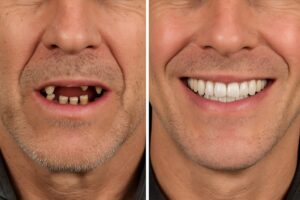
A tooth implant is a small titanium post placed into the jawbone to replace a missing tooth root. That post acts as a stable foundation for an artificial tooth (a crown), a bridge, or a denture. Unlike removable dentures, dental implants look and feel like natural teeth and help prevent the bone loss that often follows a tooth extraction. Implants are a long-term solution that preserve chewing function, speech, and facial shape.
How dental implants work
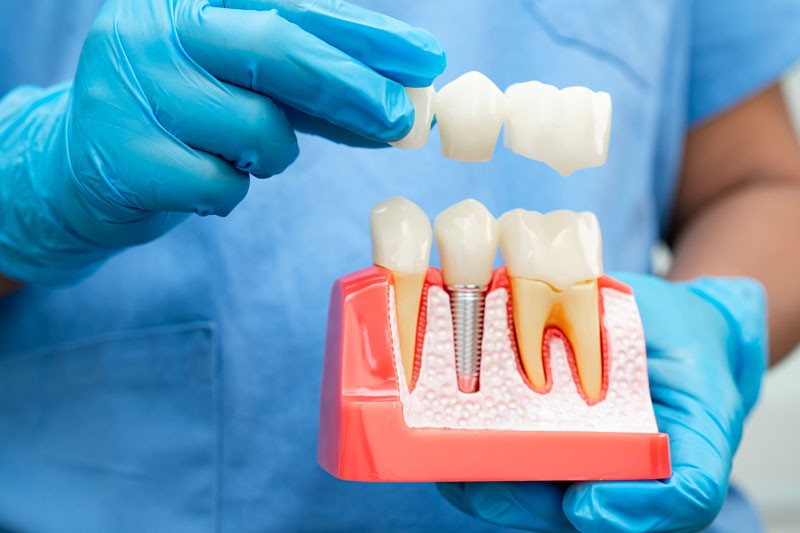
Dental implants work by bonding with your jawbone in a process called osseointegration. After the implant post is placed, the bone gradually fuses to the titanium, creating a secure base. Once the implant is stable, an abutment is attached and a custom crown or prosthetic is placed on top. The result is a tooth replacement that behaves much like a natural tooth—strong, stable, and cosmetic.
Your implant journey: step-by-step
Most implant treatments follow three main phases:
- Consultation and planning: Your dentist evaluates health, bone anatomy, and goals using X-rays or 3D scans. A personalized treatment plan is created.
- Surgery and healing: The implant post is placed into the jaw. A healing period follows to allow osseointegration—this can take several weeks to months.
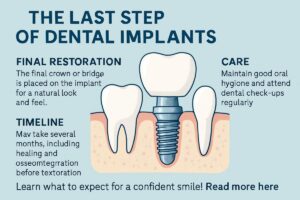
- Restoration: After healing, an abutment and crown (or bridge/denture) are attached to complete the tooth replacement.
Advanced centers use guided surgical planning and 3D imaging to place implants precisely, which can speed healing and improve outcomes.
Benefits and considerations
Dental implants offer many advantages, but they also require careful planning and maintenance.
- Benefits: Preserve jawbone, stop nearby teeth from shifting, restore chewing and speech, and provide a natural look and long lifespan.
- Considerations: Implants require healthy bone—bone grafting is an option when bone is low. Smoking, uncontrolled diabetes, or certain medications can affect success. Like any surgery, risks include infection, nerve irritation, or implant failure, but these are uncommon with proper planning and care.
Discuss your medical history and lifestyle with your dentist so they can recommend the best plan for you.
Post-procedure care for lasting success
Caring for implants is similar to caring for natural teeth. During healing, follow your dentist’s instructions about diet, oral hygiene, and medications. Regular checkups and cleanings help detect problems early. Long-term, brush twice daily, floss around the implant, and keep routine dental visits. Good care helps implants last for many years—often a lifetime.
Why choose Smile Rescue for dental implants in Louisville, KY
When you want experienced care for dental implants in Louisville, KY, Smile Rescue focuses exclusively on implants and full-mouth restorations. Led by Dr. Seth Chambers, the team places over 1,000 implants a year using 3D CBCT imaging, computer-guided surgery, and in-house prosthetic design. That means precise planning, predictable surgery, and same-day restorations at a single location.
Smile Rescue also offers advanced solutions for patients with severe bone loss—such as zygomatic and pterygoid implants—and provides sedation options to make treatment comfortable. The practice uses digital smile design and in-house 3D printing so you can preview results and often leave with new teeth the same day. Transparent, all-inclusive pricing covers sedation, extractions, bone grafting, and restoration, helping patients avoid surprise fees.
If you’re ready to learn whether dental implants in Louisville, KY are right for you, contact Smile Rescue to schedule a consult with Dr. Seth Chambers and the implant team. They’ll answer your questions, show your digital smile plan, and outline clear next steps for restoring your smile.